Ginkgo Maidenhair Tree
Ginkgo biloba
Ginkgo Biloba Maidenhair Trees, nursery-grown, ready to plant
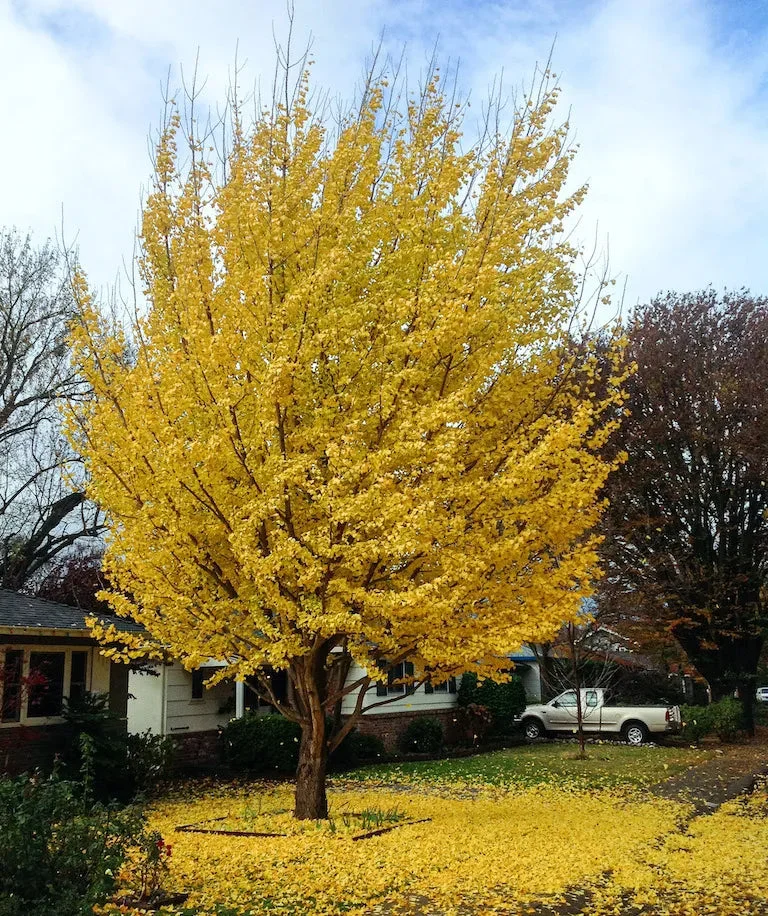
- Brilliant golden-yellow fall color drops within days for reliable seasonal drama
- Highly adaptable to poor soil, compacted urban sites, and drought once established
- Excellent deer resistance and durability as a specimen, shade, or street tree
About this plant
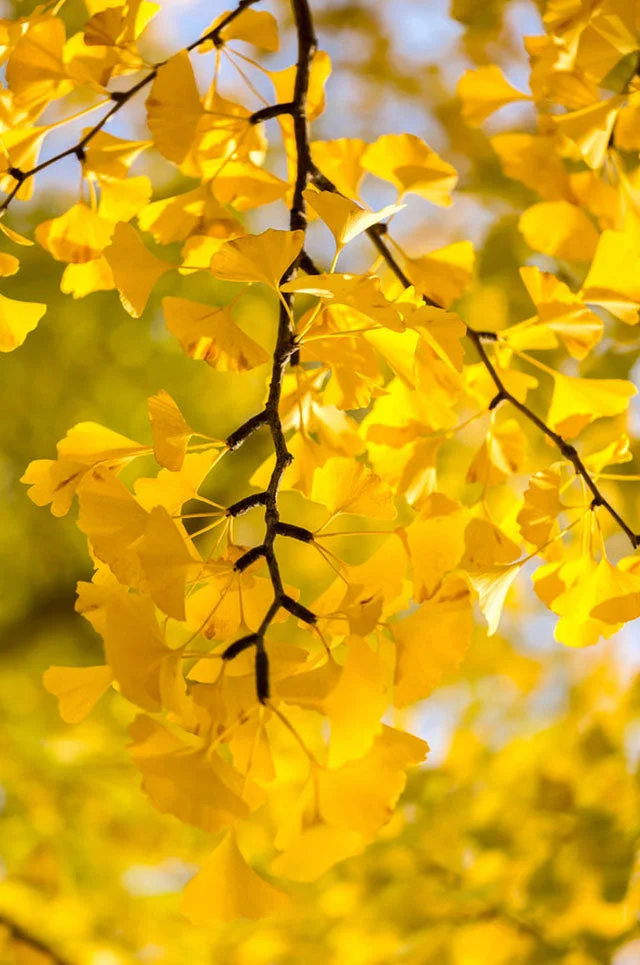
Ginkgo biloba is a deciduous tree prized for its brilliant golden-yellow fall foliage that drops reliably within days, creating a dramatic seasonal display. It excels as a shade tree and street tree in urban settings, adapting well to compacted soil and tough growing conditions while offering excellent deer resistance and architectural appeal.
Your Ginkgo arrives in a nursery container. Upon arrival, place it in full sun and water thoroughly at the base to settle the soil. During the first week, water when the top inch of soil feels dry. Once new growth appears, the tree tolerates drought and needs less frequent watering.
Ginkgo Maidenhair Tree at a glance
| Botanical name | Ginkgo biloba |
|---|---|
| Plant type | deciduous tree |
| USDA zones | 3-8 (some references extend to 9) |
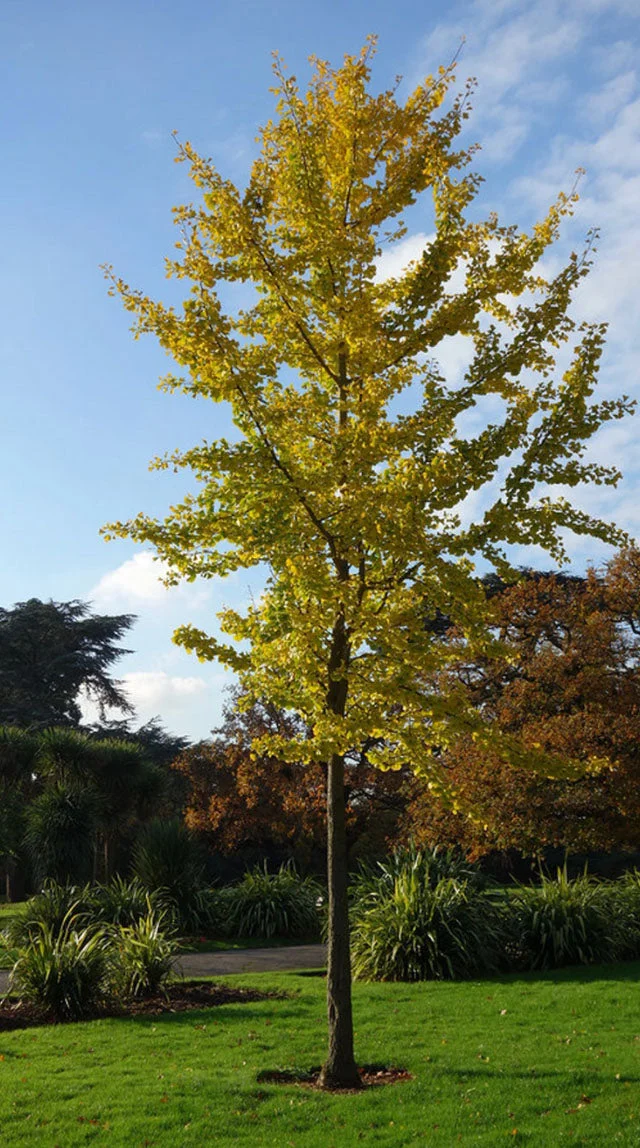
| Mature height | 25-50 ft in typical landscape settings; old specimens in native/historic sites can reach 80-100+ ft |
| Mature width | 25-35 ft, narrower for columnar cultivars |
| Sun | full sun |
| Water | average water needs; medium moisture, tolerates periods of drought once established |
| Bloom time | spring (April-May); inconspicuous |
| Bloom color | dioecious - males bear small yellow-green pollen cones, females bear inconspicuous ovules, not a showy bloom |
| Growth rate | slow to moderate, roughly 12 in/year, faster (up to 24 in/year) in ideal conditions while young |
| Deer resistance | excellent - rarely browsed |
| Best planting time | spring or fall |
Container sizes explained
| #1 / 1 Gallon | A trade one gallon pot (about 6.5 inches). One to two seasons older than a quart, with an established root system. |
|---|---|
| #2 / 2 Gallon | A trade two gallon pot. Common for peonies and perennials that need root room; usually blooms the first or second year. |
| #3 / 3 Gallon | A trade three gallon pot (about 10 inches). A well-developed shrub or small tree, often 2 to 4 feet tall on arrival. |
Questions before you buy
Which size should I choose?
The 1-gallon tree is ideal if you prefer to start small and nurture it over time. The 3-gallon sizes provide larger specimens at planting and establish more quickly; choose by your preferred height.
When should I plant my Ginkgo after arrival?
Plant as soon as possible after arrival. Remove it from the shipping container, place it in full sun, water thoroughly at the base, and complete planting within 24-48 hours if conditions allow.
How large does a Ginkgo get?
Mature landscape Ginkgos typically reach 25-50 feet tall and 25-35 feet wide, though very old specimens can exceed 80 feet. Growth is slow to moderate, roughly 12 inches per year while young. A newly planted tree reaches landscape maturity and full size in 20+ years.
How much sun does Ginkgo biloba need?
Ginkgo requires full sun for best growth and vibrant fall color. While it tolerates some partial shade, the autumn color will be less vivid.
What hardiness zones can grow Ginkgo?
Ginkgo biloba thrives in USDA zones 3-8, with some references extending to zone 9. It is reliably hardy across the northern and central United States and handles cold winters without issue.
What should I do to care for my Ginkgo in its first year?
Water your Ginkgo regularly during its first year to establish a strong root system. Provide medium moisture, allowing soil to dry slightly between waterings, and increase frequency during dry spells. A 2-3 inch mulch layer around the base helps retain moisture and moderate soil temperature.