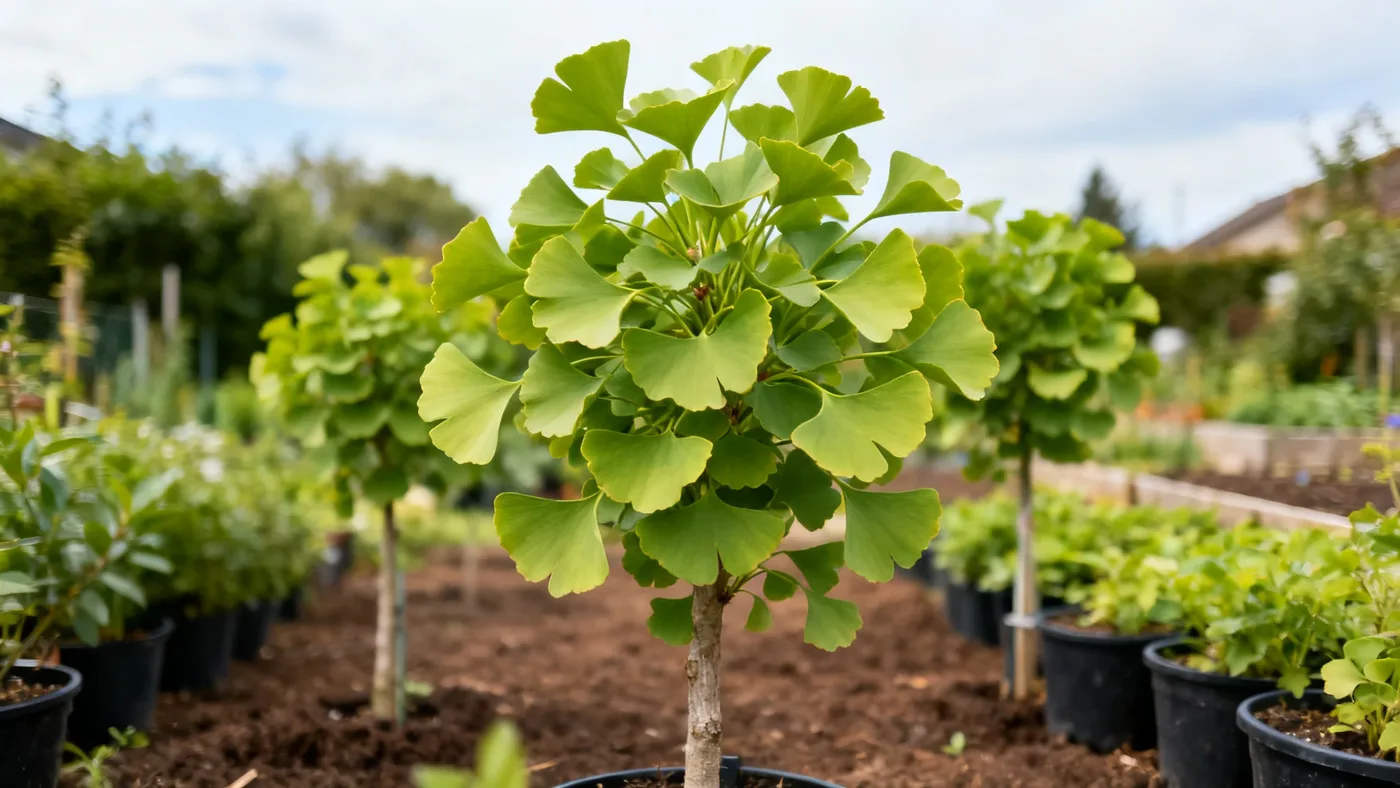
Ginkgo Maidenhair Tree Hardiness Zones: Where It Grows Best
The Ginkgo Maidenhair Tree (Ginkgo biloba) is one of the most cold-hardy ornamental trees available to home gardeners and landscapers. Whether you live in the frozen north or a mild temperate region, understanding the right zone for your ginkgo will help you choose the best cultivar and planting location for your landscape. This guide answers the most common questions about growing ginkgo trees in different climates.
Zone Basics and Ginkgo Hardiness
What USDA hardiness zones does ginkgo grow in?
Ginkgo Maidenhair Tree thrives in USDA zones 3 through 8, with some references extending hardy cultivars into zone 9. This broad range makes ginkgo suitable for nearly every climate in the continental United States except the extreme south and parts of the Pacific Northwest. The cold tolerance at the northern end and heat tolerance at the southern end vary by cultivar, so checking your exact zone before planting ensures success.
Is ginkgo tree hardy in zone 3?
Yes, ginkgo grows well in zone 3, where winter temperatures drop to minus 40 degrees Fahrenheit or colder. Trees established in zone 3 rarely suffer winter damage, though young newly planted trees benefit from a mulch layer during their first winter. Once the root system develops, ginkgo tolerates deep cold without issue.
Can I grow ginkgo in zone 9?
Most ginkgo cultivars are rated for zones 3 through 8, making them marginal for zone 9. While some specimens may survive zone 9 winters, consistent summer heat and humidity in that zone can stress the tree and shorten its lifespan. If zone 9 is your climate, consult a local nursery about cultivar selection before purchasing.
How cold-hardy is the ginkgo biloba species?
Ginkgo biloba shows exceptional cold tolerance, withstanding prolonged freezing temperatures without leaf or branch damage. The species was selected for street and urban planting in cold climates specifically because it endures extreme cold, pollution, and urban stress better than most trees. Winter temperatures rarely kill an established ginkgo, making it one of the most reliable cold-hardy shade trees available.
Winter Protection and Cold Tolerance
Do ginkgo trees need winter protection?
Established ginkgo trees need no winter protection in their recommended zones (3-8). However, newly planted young trees benefit from a 3-inch mulch layer around the base during their first winter to insulate the root zone. After the first season, winter protection is unnecessary in zones 3 through 8.
What happens to ginkgo trees in freezing temperatures?
Ginkgo trees enter dormancy in fall as temperatures drop, shedding their fan-shaped leaves and suspending growth. The tree's bare branches and trunk withstand freezing without injury. Unlike some ornamental trees, ginkgo does not suffer frost crack, sunscald, or branch dieback from cold weather even at extreme temperatures.
Can a late spring frost damage ginkgo trees?
Late spring frosts after budbreak can damage tender new growth if temperatures drop below 32 degrees Fahrenheit. This damage is rare and usually cosmetic. Established trees recover quickly from spring frost damage, putting out new leaves within a few weeks.
How does drought affect ginkgo cold hardiness?
Drought stress in fall can reduce cold tolerance slightly by weakening the tree before winter dormancy. Ginkgo tolerates periods of drought once established, but consistent medium moisture in fall helps the tree transition into winter in strong condition. Water established trees if the growing season has been unusually dry.
Climate Considerations by Zone
What is the best climate for ginkgo trees?
Ginkgo thrives in zones 3 through 8, preferring full sun exposure and well-drained soil. The tree tolerates average water needs and medium moisture, making it adaptable to most landscape conditions. Once established, ginkgo's high drought tolerance and excellent salt tolerance make it ideal for urban and harsh planting sites.
Does ginkgo grow better in cold or warm climates?
Ginkgo performs excellently in cold climates (zones 3-5) and tolerates warm climates (zones 6-8) equally well. The tree's fall color is reliably brilliant golden yellow across all zones, though the timing of leaf drop varies slightly by region. Neither extreme cold nor typical zone 8 heat stresses established ginkgo trees.
How does humidity affect ginkgo in warmer zones?
High summer humidity in zone 8 or zone 9 does not typically cause disease or pest problems on ginkgo, as the species is essentially disease-free. However, the tree prefers moderate humidity to extreme heat and humidity combined. In zone 8 edge areas, afternoon shade can help the tree endure peak summer stress.
Does snow and ice damage ginkgo branches?
Ginkgo's strong, deeply furrowed bark and dense branch structure resist damage from heavy snow and ice loads. The tree's natural form and wood strength mean that winter ice storms rarely break branches. Trees damaged by ice recover well, and storm cleanup is seldom needed.
Planting and Establishment by Zone
When is the best time to plant ginkgo in different zones?
Spring or fall planting works for ginkgo in all zones 3 through 8. Spring planting (April through May in zone 3, earlier in warmer zones) gives the tree the full growing season to establish roots before winter. Fall planting (September through October) also works well, though newly planted trees benefit from a mulch layer in cold zones the first winter.
How quickly does ginkgo grow in cold versus warm zones?
Ginkgo grows at a slow to moderate rate, roughly 12 inches per year on average. In ideal conditions while young, the tree can reach 24 inches per year. Growth rate is fairly consistent across zones 3 through 8, with warmer zones showing slightly faster early growth, but cold-zone trees catch up once established.
How long does it take ginkgo to mature in different zones?
General landscape maturity is reached around 20 or more years in all zones 3 through 8, with no significant regional difference in timeline. The tree's slow initial growth means patience is required regardless of zone. Once mature, ginkgo maintains its form and health for centuries in all suitable zones.
Cultivar Selection by Zone
Are there ginkgo cultivars bred for cold zones?
Male cultivars like 'Autumn Gold' and 'Princeton Sentry' are widely available and are suited to all hardy zones (3-8). Both eliminate the foul-smelling female fruit, a major advantage in any zone. 'Fastigiata' is another narrow columnar male form reliable across the cold-hardy range.
Which ginkgo cultivars are best for zone 3?
Species ginkgo and male cultivars like 'Autumn Gold,' 'Princeton Sentry,' and 'Fastigiata' perform reliably in zone 3 without special protection. These cultivars have proven hardiness records in the coldest parts of the hardiness range. Consult your local nursery for locally sourced or cold-proven stock.
What ginkgo cultivars work in zone 8?
All standard ginkgo cultivars rated for zones 3 through 8, including 'Autumn Gold,' 'Princeton Sentry,' 'Saratoga,' and 'Fastigiata,' thrive in zone 8. The choice in zone 8 is primarily about size and form. Dwarf cultivar 'Jade Butterflies' is also suited to zone 8 if you want a smaller specimen.
What makes a male ginkgo cultivar preferable in any zone?
Female ginkgo trees drop fleshy seed coats in fall with a strong, rancid odor as they decompose, a significant landscape drawback in any zone. Male cultivars, which are propagated by grafting to guarantee their sex, have no fragrance issue. For residential planting in any zone, male cultivars like 'Autumn Gold' are the standard choice.
Urban and Landscape Adaptability
Why is ginkgo so commonly planted as a street tree in cold zones?
Ginkgo's extreme cold hardiness, combined with excellent salt tolerance and adaptability to poor urban soil, makes it an ideal street tree for cold climates. The tree tolerates compacted, sandy, clay, and urban soils while resisting road salt and pollution. Its narrow columnar forms like 'Princeton Sentry' fit street corridors perfectly in zones 3-8.
Does ginkgo grow in zones with poor or alkaline soil?
Yes, ginkgo is highly adaptable to soil type and pH, tolerating roughly 5.0 to 8.0 pH and growing well in sandy, clay, and poor urban soils. The tree prefers deep, loamy, well-drained soil but does not require it. This adaptability is one reason ginkgo is so widely recommended for tough planting sites and landscapes across all hardy zones.
Quick Reference Guide
| Zone Range | Winter Low Temps | Ginkgo Suitability | Recommended Cultivars | Winter Protection Needed? |
|---|---|---|---|---|
| 3 | minus 40°F or colder | Excellent, no limitations | 'Autumn Gold,' 'Princeton Sentry,' 'Fastigiata' | Mulch for young trees only |
| 4-5 | minus 30 to minus 20°F | Excellent, reliable choice | Any male cultivar | Mulch for young trees only |
| 6-7 | minus 10 to 0°F | Excellent, widely planted | Any male cultivar, include dwarf forms | None required |
| 8 | 10°F or warmer | Good, some heat stress possible | 'Autumn Gold,' 'Princeton Sentry,' 'Saratoga' | None required |
Learn More About Ginkgo Growing
For a complete guide to planting, pruning, and caring for ginkgo trees across all zones, see our full Ginkgo Maidenhair Tree care guide. It covers soil preparation, watering schedules, fertilizing, pest and disease management, and seasonal maintenance in detail.