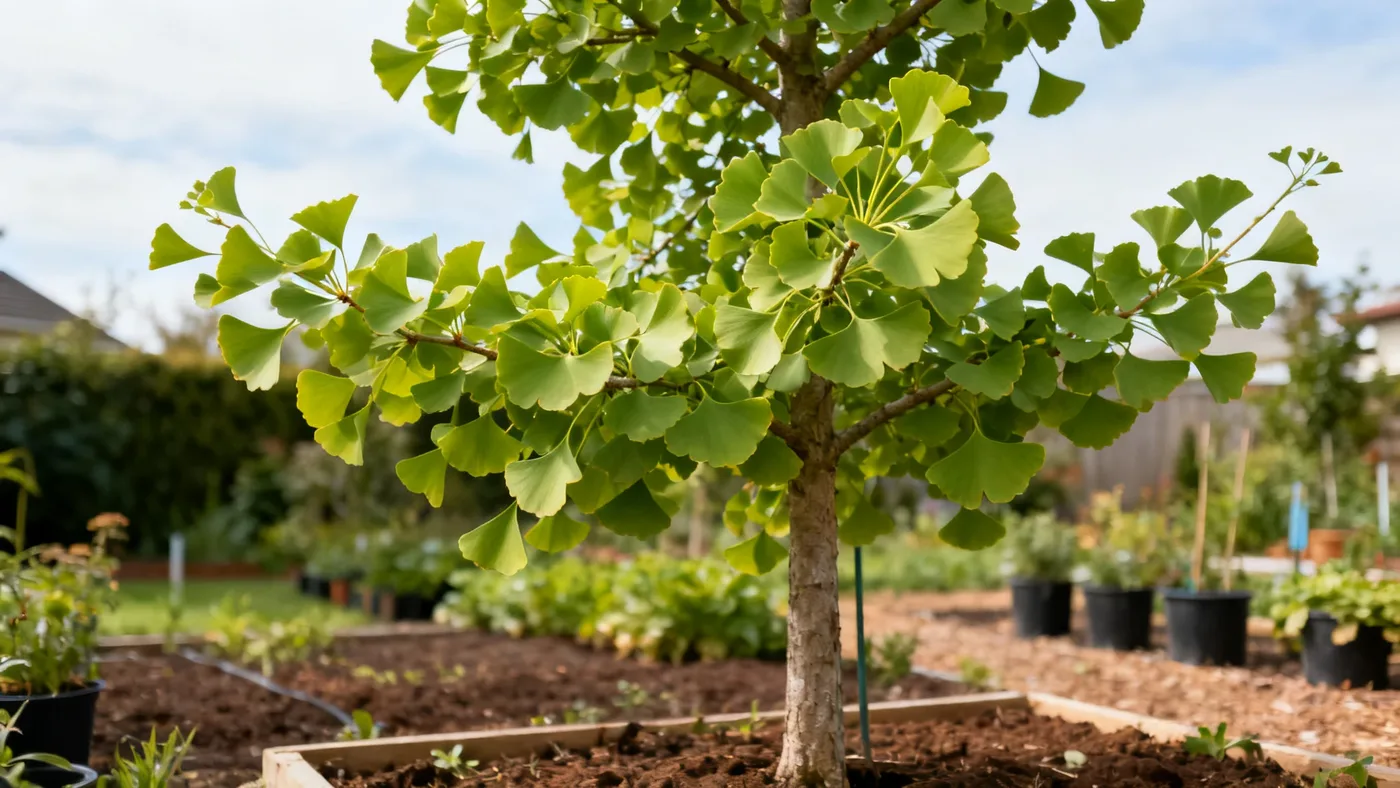
Ginkgo Maidenhair Tree Seeds and Fruit: Smell, Mess and Cleanup
The ginkgo tree is renowned as one of the toughest, most adaptable landscape trees available, thriving in USDA zones 3 to 8 and tolerating urban pollution, compacted soil, and drought. Its brilliant golden-yellow fall color and distinctive fan-shaped leaves make it a favorite among gardeners and urban planners. But there's a significant caveat that deserves attention: some ginkgo trees have earned an infamous reputation for producing a foul-smelling fruit that has generated both passionate admirers and frustrated critics.
The good news is that this problem is entirely preventable. Understanding the difference between male and female ginkgo trees, recognizing the timing of fruit drop, and selecting the right cultivar can spare you from dealing with the ginkgo tree smell altogether. Read on to find answers to the questions homeowners ask most about ginkgo fruit, odor, and cleanup.
The Odor: What, When, and How Bad
Do all ginkgo trees smell bad?
Only female ginkgo trees produce the infamous odor. Male ginkgo trees have no fragrance issue and are strongly preferred for planting in residential areas. If avoiding smell is a priority, select a male cultivar like 'Autumn Gold' or 'Princeton Sentry' from the start.
What does a ginkgo tree smell like?
The smell is often described as rancid, vomit-like, or similar to rotting fruit with fecal notes. It's strong enough that many homeowners have reported the odor affecting quality of life for both their household and neighbors. The unpleasant scent comes from the fleshy seed coating as it decomposes on the ground in fall.
When does the ginkgo smell occur?
Female trees drop their fleshy seed coats in fall, typically from September through November depending on your zone. The smell peaks when seeds have been on the ground for several days and decomposition begins. Cooler fall temperatures can actually intensify the odor rather than reduce it.
How long does the smell last?
The odor persists as long as fallen fruit remains on the ground and is decomposing, typically 2 to 3 weeks. Once seed coats completely break down and are cleared away, the smell stops abruptly. Regular cleanup during the fall drop can drastically reduce its impact on your landscape.
Can you predict which ginkgo trees will smell?
Yes, but only after the tree matures enough to fruit. Young female ginkgos may not produce seeds for 20 to 30 years or more from planting, so a newly planted female won't cause problems immediately. This is why many homeowners unknowingly plant females and discover the problem years later.
Female vs Male Trees: Choosing the Right Cultivar
What's the difference between male and female ginkgo trees?
Male ginkgo trees bear small yellow-green pollen cones in spring with no fragrance, while female trees produce inconspicuous ovules that develop into fleshy, smelly seed coats in fall. Both offer identical toughness, fall color, and landscape value. The only real difference is fruit production, which makes the sex of the tree critically important for home planting.
How can I tell if my ginkgo is male or female?
The only reliable method is to wait and observe. Male trees release pollen cones in spring (April to May), which are small and easily missed. Female trees will eventually drop fleshy, smelly fruit in fall, though this can take 20 to 30+ years from the time of planting, making early identification impossible without a label.
What are the best male ginkgo cultivars?
Recommended male cultivars include 'Autumn Gold' (broad spreading form, seedless), 'Princeton Sentry' (narrow columnar), 'Fastigiata' (columnar), 'Saratoga' (dense, compact), and 'Jade Butterflies' (dwarf, shrubby). All are guaranteed male and will never produce foul-smelling fruit. These selections preserve all the benefits of ginkgo trees while eliminating the mess entirely.
Why do nurseries recommend male ginkgo trees?
Nurseries recommend male cultivars because they provide all the landscape and environmental benefits of ginkgos while eliminating smell and mess. Female trees can create real quality-of-life issues in residential neighborhoods. For responsible home landscape planting, male cultivars are the only practical choice.
Can you prevent a female ginkgo from producing fruit?
Once a female ginkgo reaches maturity and begins fruiting, there is no reliable way to stop fruit production. Pruning and growth regulator treatments are not practical for home gardeners. If a female tree is already causing problems, removal and replacement with a male cultivar is the most effective long-term remedy.
Understanding the Seed and Fruit
What do ginkgo seeds and berries look like?
Ginkgo "berries" are technically not berries but fleshy seed coats, roughly the size of an olive or small plum, with a yellowish to pale brown color. They have a wrinkled, fleshy appearance and contain a hard pit inside. The outer fleshy coating is the part that decomposes and creates the notorious smell.
When do ginkgo fruits fall?
Female ginkgo trees drop their fleshy seed coats in fall, typically from September through November, with timing varying by zone. The fruit fall coincides with the tree's spectacular golden-yellow foliage display, creating a visually and olfactorily challenging season. Trees in colder zones drop fruit earlier than those in warmer areas.
How many fruits does a female ginkgo produce?
A mature female ginkgo can produce hundreds of fruits annually, creating a substantial cleanup task. Young trees produce far fewer, with production increasing as the tree matures (typically 20+ years old). Total output varies based on growing conditions and overall tree vigor.
Are ginkgo berries actually berries?
No, they are not true berries botanically. The fleshy structure is a seed coat surrounding a hard inner pit. The term "berry" is used casually by gardeners but is not technically accurate, though it's become common shorthand in conversation.
What eats ginkgo fruit?
Some wildlife, including certain bird species and small mammals, will consume the fleshy seed coating despite its odor. Wildlife appear far less deterred by the smell than humans are. However, this natural dispersal does not meaningfully reduce the cleanup burden for homeowners.
Cleanup and Disposal: Managing the Mess
How do you clean up fallen ginkgo fruit?
Rake or sweep fruit regularly during the fall drop window to prevent accumulation and odor intensification. Always wear gloves when handling the fruit to protect against skin irritation. Place collected fruit in yard waste bags for disposal according to your local guidelines.
What's the best way to dispose of ginkgo seeds?
Place fallen fruit in yard waste or green waste bins if your area offers municipal composting. Do not compost ginkgo seeds in home piles, as the fleshy coating decomposes very slowly. Curbside or facility-based composting is designed to handle this material efficiently.
Can you remove the fleshy coating from ginkgo seeds?
Yes, the hard seed pit can be separated from the fleshy coating, though the process is labor-intensive and rarely attempted by home gardeners. The inner seed is edible in some Asian cuisines after roasting. For most homeowners, disposal is far simpler than processing.
Do I need to replace a female ginkgo tree?
Replacement is optional but many homeowners choose to do so to eliminate the smell and mess permanently. If the tree is otherwise healthy and mature, the decision depends on personal tolerance and neighbor relations. Removal and replacement with a male cultivar solves the problem completely.
How often does a ginkgo produce fruit?
Once a female ginkgo reaches maturity (typically 20+ years), it produces fruit annually every fall. Fruit volume may vary slightly based on weather and growing conditions, but regular yearly production is the norm for mature female trees.
Health and Safety: Toxicity and Skin Irritation
Is ginkgo fruit toxic to pets?
The fleshy seed coating and raw seeds contain compounds that can cause illness if ingested in quantity by dogs, cats, and other pets. Skin contact with the pulp can also cause irritation in sensitive animals. Keep pets away from fallen fruit and maintain regular cleanup to prevent accidental ingestion.
Is ginkgo fruit toxic to humans?
The fleshy seed coating contains urushiol-like irritants and ginkgotoxin that can cause skin irritation on contact and illness if ingested in significant quantity. While occasional small contact is unlikely to cause serious problems, large quantities should be avoided. Thorough hand washing after handling is essential.
Can ginkgo seed pulp cause skin irritation?
Yes, the fleshy seed coating can cause skin irritation or contact dermatitis similar to poison ivy in sensitive individuals. Some people experience rashes lasting several days from handling the fruit. Wearing gloves during cleanup provides complete protection against this irritation.
What should I do if I touch ginkgo fruit?
Wash the affected area immediately with soap and water. Most people experience minor irritation only, but sensitive individuals may develop a rash. If irritation persists, spreads, or worsens, seek medical advice; for most people, simple washing is sufficient.
Planting Your Ginkgo Successfully
When selecting a ginkgo for your landscape, the choice should be clear: plant only a male cultivar. For detailed instructions on selecting and establishing a healthy ginkgo, see our guide to planting a ginkgo maidenhair tree the right way. For year-round care including pruning, watering, and seasonal maintenance, refer to our ginkgo maidenhair tree care guide.
Quick Reference: Female Ginkgo Smell and Fruit Checklist
| Item | Details |
|---|---|
| Smell Issue | Female trees only; rancid, vomit-like odor |
| Smell Timing | September to November (varies by USDA zone) |
| Smell Duration | 2 to 3 weeks of active decomposition |
| When Problem Starts | After 20 to 30+ years at tree maturity |
| Skin Irritation Risk | Yes; wear gloves and wash hands after handling |
| Pet Toxicity | Yes; keep pets away from fallen fruit |
| Best Prevention | Plant male cultivars only ('Autumn Gold', 'Princeton Sentry', etc.) |
| Cleanup Method | Regular raking; place in green waste bins |
| Annual Cleanup Duration | 2 to 3 weeks during fall drop window |