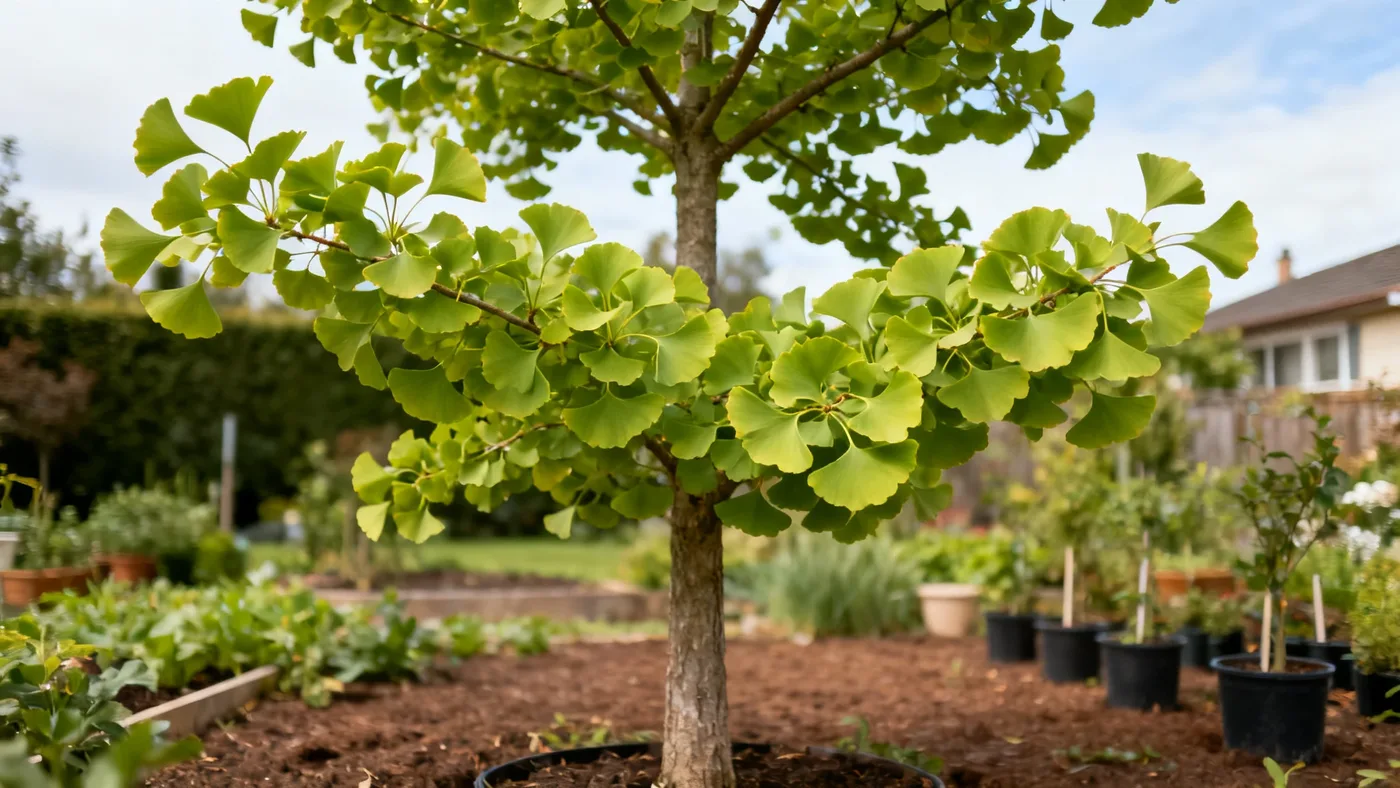
Is a Ginkgo Maidenhair Tree Toxic to Pets or Children?
Ginkgo biloba has become a popular landscape choice for homeowners and landscapers, prized for its hardiness and stunning golden fall color. However, if you have dogs, cats, or young children, understanding what parts of this tree are toxic (and which cultivars to choose) can help you grow one safely on your property. This guide covers the toxicity facts you need to make an informed decision.
General Toxicity and Seeds
Is the ginkgo tree itself poisonous?
The foliage of ginkgo trees is not known to be significantly toxic. The tree's distinctive fan-shaped leaves present no serious concern to pets or children who brush against them. The main toxicity risk comes from the fleshy seed coating and raw seeds, which contain compounds including urushiol-like irritants and ginkgotoxin.
Are ginkgo seeds poisonous?
Yes, ginkgo seeds and their fleshy seed coating are toxic if ingested in quantity by both pets and people. The raw seeds contain compounds that can cause illness, and the outer seed coating can trigger skin irritation on contact. This is why purchasing male cultivars (which don't produce seeds) is the safest choice for homes with children or pets.
What makes ginkgo seeds dangerous?
Ginkgo seeds contain ginkgotoxin and urushiol-like irritants. Ginkgotoxin can cause gastrointestinal symptoms if seeds are eaten in significant amounts, while the urushiol-like compounds are known to irritate skin. The exact concentration and toxicity thresholds are not precisely quantified in consumer references, but ingesting a few seeds rarely causes serious harm, while repeated or large quantities pose greater risk.
Can handling fallen ginkgo fruit cause skin irritation?
Yes. The fleshy seed pulp that falls from female ginkgo trees in autumn can cause skin irritation on contact, similar to poison ivy exposure. Gardeners and children should wear gloves when handling fallen seed coats or fruit. Wash hands and exposed skin thoroughly after cleanup.
Dogs and Pets
Is ginkgo tree toxic to dogs?
The foliage is safe for dogs, but the seeds and fleshy seed coating are toxic if ingested in quantity. A dog that swallows one or two seeds may not show serious symptoms, but repeated exposure or larger amounts can cause gastrointestinal distress, including vomiting and loss of appetite. If your dog eats a significant amount of ginkgo seeds, contact your veterinarian.
What happens if my dog eats ginkgo seeds?
Symptoms of ginkgo seed toxicity in dogs may include vomiting, diarrhea, loss of appetite, and abdominal discomfort. Symptoms typically appear within a few hours of ingestion. Call your veterinarian or pet poison control if you suspect your dog has eaten ginkgo seeds, and inform them of the quantity if possible.
Are male ginkgo cultivars safe for dogs?
Male ginkgo cultivars such as 'Autumn Gold', 'Princeton Sentry', 'Fastigiata', and 'Saratoga' do not produce seeds or fruit. If you have a dog, choosing a male cultivar eliminates the primary toxicity risk. These trees are still perfectly safe for homes with pets.
Is ginkgo tree toxic to cats?
The foliage of ginkgo is not known to be significantly toxic to cats. However, cats may chew on fallen seeds or seed coats if they find them, so the same caution applies: use male cultivars to avoid seed exposure. If your cat ingests ginkgo seeds, monitor for signs of gastrointestinal upset and contact your veterinarian if symptoms develop.
Should I avoid planting ginkgo if I have pets?
No, but choose wisely. Planting a male ginkgo cultivar on your property is completely safe for dogs, cats, and other pets. The tree offers excellent shade, is drought-tolerant once established, and presents no toxicity risk if you select a seedless male form. Female ginkgos are the problematic choice for households with pets.
Children and Foliage
Is ginkgo biloba safe for children?
The foliage of ginkgo is not known to be significantly toxic, so children playing near the tree are safe. The risk is only if children ingest seeds or handle the fleshy seed coating from female trees without protection. Teaching children not to eat berries or seeds they find on the ground is the same safety lesson any responsible parent should reinforce.
Can my child get sick from touching ginkgo leaves?
No. Ginkgo leaves are safe to touch. Children can safely admire the tree's distinctive fan-shaped foliage and brilliant golden fall color without risk of toxicity from skin contact. The seeds and seed coating present the only concern, not the foliage.
What if my child eats a ginkgo seed?
One or two seeds swallowed accidentally are unlikely to cause serious harm, but monitor your child for signs of nausea, vomiting, or abdominal discomfort over the next few hours. If your child ingests a larger amount or shows symptoms, contact poison control or your pediatrician. Prevention is easier than treatment, so supervise play in areas where female ginkgos shed fruit.
How can I teach children about ginkgo safety?
Explain to children that ginkgo seeds and the outer coating are not safe to eat, just like seeds from many plants. If you have a female ginkgo, establish a rule that fallen fruit should not be handled or touched without adult permission and gloves. Male cultivars eliminate this concern entirely.
Female vs. Male Trees
Why are female ginkgo trees problematic?
Female ginkgo trees produce fleshy seed coats that drop in fall with a strong, rancid, vomit-like odor as they decompose. These seeds and coatings are toxic if ingested and can cause skin irritation on contact. The smell and mess make female ginkgos unpleasant for most residential landscapes, which is why male cultivars are strongly preferred for home planting.
How can I tell if my ginkgo is male or female?
Wait until spring or early summer. Male ginkgos bear small yellow-green pollen cones (inconspicuous, not showy). Female ginkgos produce inconspicuous ovules that develop into fleshy, foul-smelling seed coats by fall. If your tree drops messy, foul-smelling fruit in autumn, it is female and should be replaced with a male cultivar for safety and cleanliness.
Which ginkgo cultivars are guaranteed male and seedless?
Reliable male cultivars include 'Autumn Gold' (broad, spreading form), 'Princeton Sentry' (narrow, columnar), 'Fastigiata' (columnar), 'Saratoga' (dense, compact), and 'Jade Butterflies' (dwarf, shrubby). When purchasing, always confirm with the nursery that the cultivar is male and guaranteed seedless. Male cultivars eliminate the toxicity and odor problem entirely.
Can a male ginkgo tree change and produce fruit?
Once a male ginkgo is established, it will not change sex. Male cultivars are grafted or propagated from male parent material to ensure they remain seedless throughout their lifespan. If your male ginkgo begins dropping messy fruit after many years, it is unusual and you should consult a local arborist, but this is extremely rare.
Prevention and Safety
What should I do if I have a female ginkgo with pets or children nearby?
If possible, remove the female tree and replace it with a male cultivar such as 'Autumn Gold' or 'Princeton Sentry'. If removal is not immediately feasible, clean up fallen fruit promptly each fall, dispose of it in sealed bags, and supervise pets and children closely during fruiting season. Wear gloves when handling any fallen seeds or seed coats.
How can I make my ginkgo safer for my household?
Start by choosing a male cultivar when planting. If you already have a female tree, remove it or prevent access by fencing. Keep children and pets away from fallen fruit during autumn. Provide clear gloves to anyone handling cleanup, and wash hands thoroughly after touching seeds or seed coats. A male ginkgo, on the other hand, requires no special precautions beyond normal gardening care.
When do ginkgo seeds drop and create a mess?
Ginkgo flowers bloom in spring (April-May), and fruit develops and ripens through summer and early autumn. Female trees drop fleshy seed coats in fall, typically over a short window of a few weeks as leaves turn golden yellow and drop. The fruit cleanup season is brief but intense; fall cleanup and disposal are essential management tasks for female trees.
Should I wear gloves when trimming or handling ginkgo branches?
If you are handling a female ginkgo during fruiting season, wear gloves to protect against urushiol-like irritants in the seed coating. Routine pruning of male ginkgos or handling of foliage alone does not require special precautions. Prune ginkgos in late winter dormancy to remove dead, crossing, or competing branches and establish a central leader while young.
Health and Care Considerations
Is ginkgo biloba supplement safe if I have pets in my home?
Ginkgo biloba supplement (the powdered leaf used in herbal products) is different from the raw seed toxin. However, keep all supplements, herbal products, and medications in a secure cabinet away from pets. If your pet ingests any supplement, contact your veterinarian or poison control, as concentrated preparations may have different effects than the plant itself.
Can my child's allergies be triggered by ginkgo pollen?
Ginkgo is wind-pollinated, so male trees do shed pollen in spring. If your child has severe pollen allergies, a male ginkgo should not cause problems, as the pollen is lightweight and airborne rather than sticky and showy. If your child has extreme sensitivity to any tree pollen, consult an allergist before planting.
Where can I find more information about ginkgo tree care if I'm a new gardener?
The full Ginkgo Maidenhair Tree Care Guide covers planting, watering, spacing, pruning, and seasonal care for both beginner and experienced gardeners. It also discusses cultivar selection and why male trees are the recommended choice for most residential landscapes.
Quick Reference: Ginkgo Safety Checklist
| Concern | Risk Level | How to Prevent |
|---|---|---|
| Dog eats ginkgo seeds | Medium (if quantity is large) | Plant male cultivar ('Autumn Gold', 'Princeton Sentry', etc.) |
| Child ingests seeds | Low to Medium | Teach seed safety; plant male cultivar |
| Skin irritation from seed coating | Low | Wear gloves during fall cleanup; plant male cultivar |
| Touching ginkgo foliage | None | No precautions needed; foliage is safe |
| Foul odor from fallen fruit | Nuisance only | Plant male cultivar |
| Female tree presence | High | Remove and replace with male cultivar |