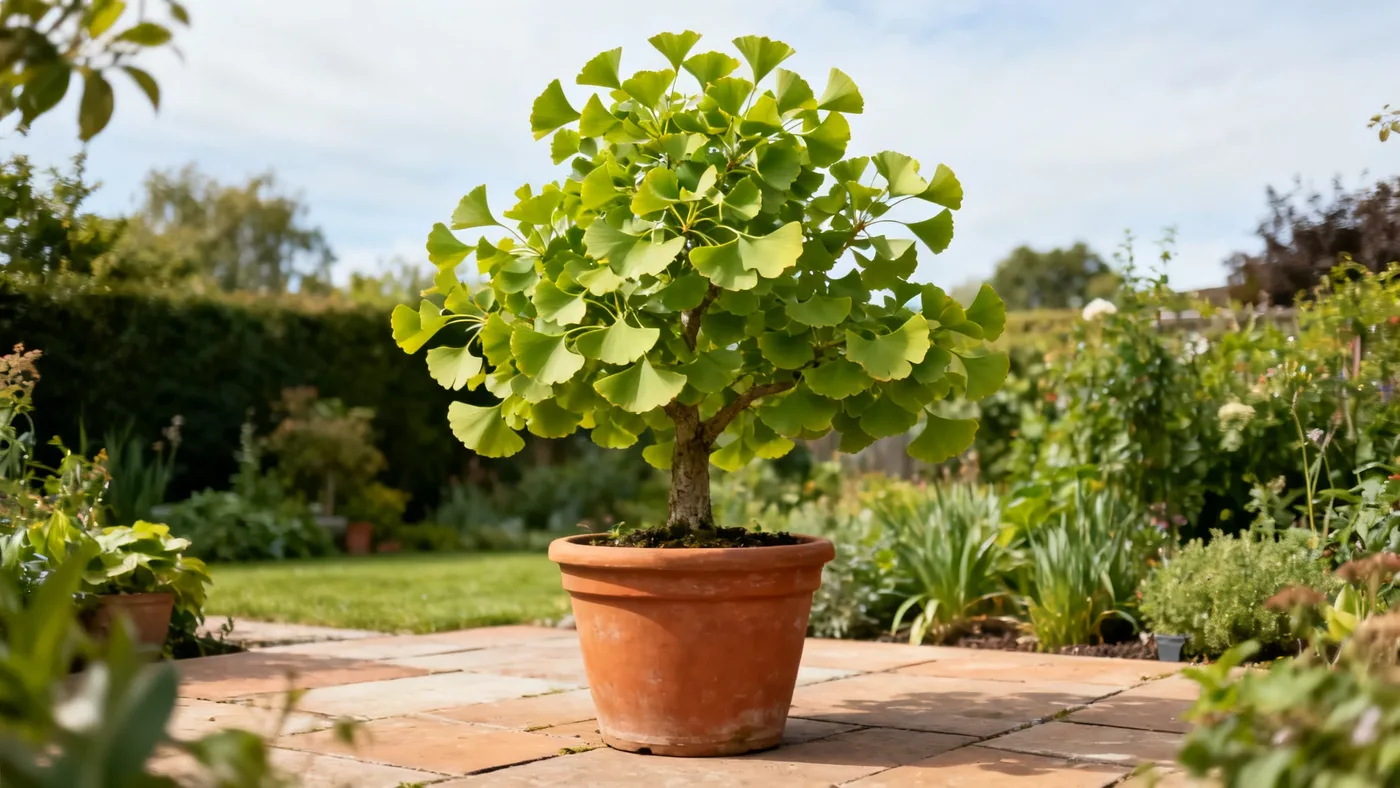
Growing a Ginkgo Maidenhair Tree in a Container or as Bonsai
Ginkgo biloba (Ginkgo Maidenhair Tree) is famous for its hardiness, stunning golden fall color, and remarkable lifespan. While these trees naturally grow to 25 to 50 feet in landscape settings, young trees and dwarf cultivars can thrive in containers for a period, making a ginkgo tree in a pot a viable option for smaller spaces. Whether you want a specimen for a patio, a trial growing period before planting in the ground, or a bonsai project, container-grown ginkgo requires specific care. This guide walks you through everything needed to succeed.
Is Container Growing Right for Your Ginkgo?
Ginkgos are excellent candidates for container growing, but with one important caveat: they are not well suited to permanent life in a container long-term. This means a container-grown ginkgo works best as a temporary home (3 to 5 years) or as a bonsai specimen that you actively train and maintain. If your goal is a permanent potted tree, you will eventually need to plant it in the ground or upgrade to extremely large containers that become impractical to manage.
The best candidates for container growing are young ginkgo trees (2 to 4 years old at planting) and dwarf cultivars. 'Jade Butterflies' is a dwarf, shrubby cultivar specifically suited to smaller spaces and has become a popular bonsai subject. Standard-form ginkgos, which typically reach 25 to 50 feet at maturity, will eventually outgrow their pots and should be considered temporary container dwellers.
Container growing works well if you live in USDA zones 3 through 8, as ginkgos thrive across this range with minimal winter protection. Ginkgos are remarkably cold-hardy and rarely suffer frost damage in pots, even in colder regions.
Materials You Will Need
- Container: A pot at least 12 to 18 inches in diameter for young trees, with drainage holes. Terracotta, ceramic, or lightweight composite pots all work; avoid containers without drainage. Plan to increase pot size every 2 to 3 years as the tree grows.
- Soil: Well-draining potting mix, ideally loamy with peat moss or coco coir and perlite. Ginkgos prefer deep, loamy, well-drained soil and adapt to a pH range of approximately 5.0 to 8.0. Standard peat-based or bark-based potting mixes work well.
- Fertilizer: A balanced, slow-release fertilizer (10-10-10 or similar). Young or stressed trees benefit from early-spring applications.
- Tools: Pruning shears or secateurs, watering can or hose with a gentle spray, a soft brush or cloth for inspecting foliage.
- Optional: Moss pole or bamboo stakes (for training columnar forms), bonsai wire or soft ties (for shaping).
Step-by-Step Container Planting
- Select your tree. Choose a 1- to 2-year-old nursery-grown ginkgo or a dormant bare-root specimen. Ensure it has a healthy root system and a strong central leader (main stem).
- Prepare the container. Fill the pot one-third full with moistened potting mix. The goal is to have the tree's top of the root ball sit just below the rim of the pot, typically 1 to 2 inches from the lip.
- Position the tree. Place the ginkgo in the center of the pot so the root collar (where roots meet stem) sits at the soil surface level, not buried. This prevents rot at the base.
- Backfill with soil. Fill the sides and top of the pot with potting mix, firming gently as you go. Avoid compacting too hard, which restricts drainage and root expansion. Leave about 1 inch of space between soil and rim for watering.
- Water thoroughly. After planting, water the pot until water drains from the bottom holes. This settles the soil and hydrates the root system. Use room-temperature water.
- Choose the location. Ginkgos require full sun, which means at least 6 to 8 hours of direct sunlight daily. Place your container in the sunniest spot available. In very hot climates, afternoon partial shade (especially at 3 to 5 pm) can reduce leaf scorch in mid-summer, but this is optional.
- Establish watering routine. During the growing season (spring through early fall), keep the soil moist but never waterlogged. Stick your finger 1 to 2 inches into the soil; if it feels dry, water. Ginkgos tolerate periods of drought once established, but container trees have less access to deep water reserves, so check every 2 to 3 days during heat waves.
Year-Round Container Care
| Season | Watering | Fertilizing | Pruning | Notes |
|---|---|---|---|---|
| Spring | Increase frequency as growth resumes. Water when top inch of soil is dry. | Apply balanced slow-release fertilizer in early spring (March to April, depending on zone). | Late winter into early spring (February to March): prune dead or crossing branches; establish a strong central leader if training a standard form. | Watch for new growth and adjust watering. Repot if roots circle the root ball. |
| Summer | Water regularly, often every 2 to 3 days in hot, dry conditions. Containers dry faster than ground soil. | Generally not needed if slow-release fertilizer was applied in spring. A dilute liquid feed (half-strength) mid-June can support vigorous young trees. | Minimal pruning. Tip-pinch new shoots (remove 1/4 inch from the tip) to encourage branching if desired. | Ginkgos can take 12 to 24 inches of growth per year when young and well-fed. Containers may reduce growth slightly. |
| Fall | Begin reducing water frequency as growth slows in late August and September. The ginkgo will display brilliant golden-yellow fall color. | No fertilizing in fall. Excess nitrogen can delay dormancy and reduce cold hardiness. | No pruning. Allow the tree to harden off naturally for winter. | Ginkgo leaves often drop within a very short window, sometimes within just a few days. Leaf drop is normal and healthy. |
| Winter | Water sparingly. The soil should be barely moist, not bone dry. Check monthly; water only if soil is completely dry to the touch. | No fertilizing during dormancy. | Prune only to remove dead wood. Major pruning resumes in late winter as the tree approaches bud break. | Ginkgos are hardy to zone 3. Most temperate regions require no special winter protection. In zones colder than 3, move the pot to an unheated garage or protected spot to reduce root freeze risk. |
Bonsai-Specific Techniques
Ginkgo has become a popular bonsai subject because of its fine foliage, natural taper, and responsiveness to pruning. If you are growing your container ginkgo as a bonsai, apply these techniques starting in the second year of growth.
Pruning for shape: Prune in late winter dormancy. Remove any branches crossing the center of the tree or pointing downward. Develop an open, airy silhouette. Ginkgos tolerate heavy pruning, and new buds break readily from pruned branches.
Wiring: Young, flexible branches can be gently wired to shape using soft bonsai wire or raffia to prevent bark scarring. Apply wire in spring and monitor every 4 to 6 weeks. Remove it before it cuts into the bark, usually within 3 to 4 months.
Repotting: Repot your bonsai ginkgo every 2 to 3 years in spring, just as buds swell. Trim roots by about one-third and use fresh, well-draining bonsai-specific soil. Avoid repotting in fall or winter.
Foliage misting: In summer, misting the foliage on hot days can cool the leaves and reduce stress. Use a soft spray. Avoid misting in direct sun to prevent leaf burn.
Common Mistakes to Avoid
- Poor drainage: The single biggest cause of container ginkgo failure is waterlogged soil. Always use pots with drainage holes and well-draining potting mix.
- Insufficient sunlight: Ginkgos planted in shade or bright indirect light will become leggy and weak. A pot with only 3 to 4 hours of sun is not enough. Move your container to the sunniest available location.
- Neglecting root checks: Check for root-bound conditions every spring. If roots are circling the inside of the pot, it is time to move up one pot size or air-prune the roots.
- Forgetting about repotting: Container ginkgos outgrow their pots within 2 to 3 years. If roots have no room to expand, the tree will stagnate and decline.
- Overfeeding: A little fertilizer goes a long way. Excess nitrogen promotes soft growth prone to pest damage and cold stress. Stick to one spring application unless the tree shows stress (pale leaves, minimal growth).
- Planting too deep: If the root collar is buried, the stem will rot. Always keep the top of the root ball at or just above the soil surface.
Permanent Container Growing: Realistic Expectations
The reality of ginkgo cultivation is clear: these trees are not well suited to permanent life in a container long-term. After 5 to 7 years, even a well-cared-for ginkgo in a pot will begin to show stress: slower growth, smaller leaves, and eventual decline. If you want a ginkgo to live for decades or reach its full potential, you will need to plant it in the ground eventually.
A container ginkgo is best viewed as a young specimen en route to a landscape home, or as an active bonsai project that you commit to training and refining indefinitely. The species' natural lifespan is extremely long, measured in hundreds of years, but this longevity is realized only when trees have room to grow.
For more comprehensive care advice once your ginkgo is established in the landscape, see our full Ginkgo Maidenhair Tree care guide.
Quick Reference Checklist
- Container size: Minimum 12 to 18 inches diameter; increase pot size every 2 to 3 years.
- Soil: Well-draining potting mix, pH 5.0 to 8.0.
- Sunlight: Full sun, 6 to 8 hours daily minimum.
- Watering: Moist (not soggy) during growing season; minimal in winter.
- Fertilizing: Balanced slow-release in early spring; optional dilute feed mid-June for young trees.
- Pruning: Late winter dormancy; remove dead and crossing branches, establish central leader.
- Repotting: Every 2 to 3 years in spring.
- Hardiness: USDA zones 3 to 8; no winter protection needed in most regions.
- Growth rate: 12 to 24 inches per year when young and well-fed in containers.
- Expected duration: 3 to 5 years as temporary container; not suited to permanent potting.
- Best cultivars for containers: 'Jade Butterflies' (dwarf); young trees of 'Autumn Gold', 'Princeton Sentry', or 'Fastigiata' (first 5 to 7 years).