Ginkgo Maidenhair Tree Fall Color: Why the Gold Is So Brilliant
Right now, as temperatures dip across zones 3 through 8, ginkgos are preparing their most dramatic show of the year. By late October and early November, depending on your region, these ancient trees will ignite in a uniform, almost electric golden yellow that stops foot traffic and fills landscapes with warmth when most other plants are fading to brown. If you've ever driven past a glowing ginkgo on a cool autumn morning, you've seen why this tree earns its place in gardens purely for the spectacle of fall foliage alone.
The ginkgo's autumn display is not just brilliant. It's predictable, consistent, and mercifully brief, making it one of the surest bets for reliable golden color in your garden.
Why Ginkgo Fall Color Stands Apart
Most trees transition through a mix of reds, oranges, and yellows as cooler weather triggers pigment changes. Ginkgo maidenhair tree autumn leaves follow a different script. These trees shift to a uniform, brilliant golden yellow. Not streaky. Not patchy. A single, radiant color that spreads across the entire canopy like someone flipped a switch.
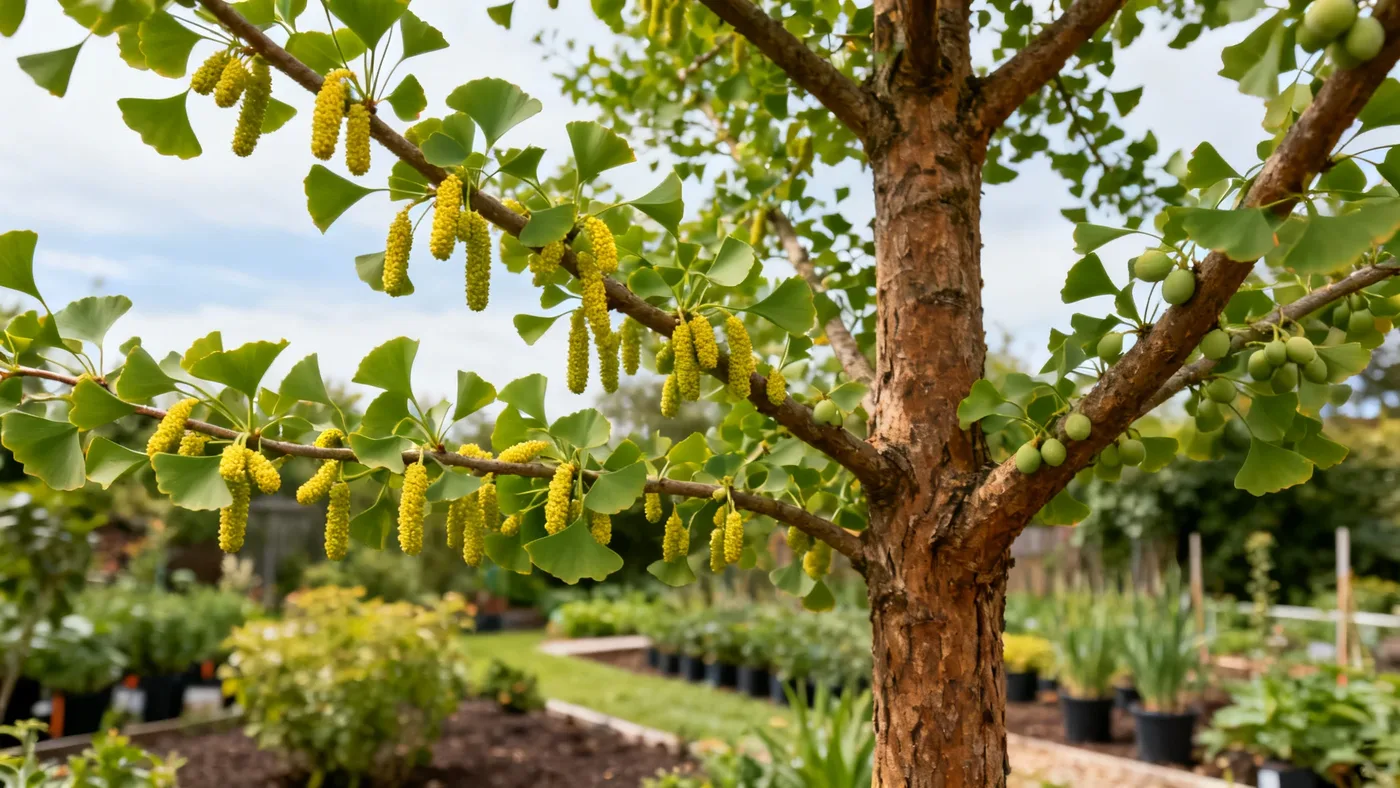
The fan-shaped, bilobed leaves are part of the magic. Each leaf catches light differently at its distinct angles, amplifying the intensity of the yellow. When sunlight filters through a full ginkgo canopy in peak fall color, the effect is almost luminous.
This uniformity matters. A red maple might deliver stunning color in one part of town while a neighbor's tree stays green longer. Ginkgos perform reliably across their range. If your ginkgo is healthy and getting full sun, golden ginkgo tree leaves are virtually guaranteed when temperatures consistently drop below 50 degrees Fahrenheit.
Why Do Ginkgo Leaves Turn Yellow?
The science behind ginkgo fall foliage is straightforward and elegant. Ginkgos lack the red pigments (anthocyanins) that some trees produce in autumn. Instead, as daylight shortens and temperatures cool, the tree stops producing chlorophyll, the green pigment that powers photosynthesis. As chlorophyll breaks down, underlying yellow pigments (xanthophyll and carotenoid) become visible.
What makes ginkgo special is that nearly all the yellow pigment reveals at once, across the entire tree. The process is so synchronized that the transition happens within an astonishingly narrow window. Many ginkgos shift from full green to full gold in just 3 to 7 days. If your tree takes longer, it's usually a sign it needs more sun or is growing in suboptimal conditions.
Full sun is essential for this performance. A ginkgo shaded by taller trees or structures will produce adequate foliage, but the fall color fades to a duller yellow-green. A ginkgo in 6 or more hours of direct daily sun will deliver the intense golden display you're after.
When Peak Ginkgo Fall Color Arrives
In zone 3, peak ginkgo tree fall color typically appears in early October. In zones 4 and 5, late October. In zones 6 through 8, early to mid-November. The timing depends less on calendar dates and more on accumulated cold. Once nighttime temperatures consistently dip below 45 degrees Fahrenheit and days shorten noticeably, your ginkgo will begin its color shift within 1 to 2 weeks.
The hard part isn't waiting for the color to arrive. It's preparing yourself for how fast it vanishes. Unlike many trees, which hold their foliage for 3 to 4 weeks, ginkgos drop leaves rapidly once peak color is reached. You might have 5 to 10 days of prime viewing, depending on wind and weather. Some years, a single gusty day strips the canopy bare. Plan to appreciate peak ginkgo maidenhair tree autumn leaves the moment you notice them. Don't postpone a trip to see a nearby specimen.
Cultivar Selection for Best Fall Color
Most male ginkgo cultivars deliver reliable golden color. 'Autumn Gold' is a named male cultivar specifically selected for broad, spreading form and consistent fall performance. It's a traditional choice where a classic ginkgo silhouette and proven autumn color are both priorities. 'Princeton Sentry' and 'Fastigiata' offer the same golden display in a narrow columnar form, ideal for tight urban sites or smaller properties. 'Saratoga' provides a dense, compact habit with identical fall color.
All male ginkgos (the preferred sex for landscape use, as females produce foul-smelling fruit) deliver brilliant golden color when sited properly. The differences between cultivars lie in mature size and shape, not in the intensity or timing of fall foliage. Choose your cultivar based on the space you have and the silhouette you need, and rest assured the color will follow.
How to Care for Your Ginkgo During Fall Color Season
The best approach to maximizing ginkgo fall color starts long before autumn arrives. Ginkgos in zones 3 through 8 are cold-hardy and require no special winter prep. They're also highly drought-tolerant once established, so fall watering is rarely necessary unless your region is unusually dry.
What matters now is ensuring your tree had adequate moisture and sun throughout the growing season. A ginkgo that spent summer in drought stress or partial shade will deliver muted fall color. If your tree is young or newly planted, consistent watering through September and early October (before the true temperature drop triggers color change) sets up the healthiest, most vibrant display.
Fertilizing in fall is unnecessary and not recommended. Ginkgos are highly adaptable to poor soils and don't benefit from extra nutrients as they approach dormancy. If you applied a balanced, slow-release fertilizer in early spring, that's all your tree needs for the year.
Viewing, Photographing, and Enjoying the Display
Peak golden ginkgo tree leaves are most vivid in morning light, when the sun is lower and the angle amplifies the yellow glow. Afternoon light tends to wash out color. If you're photographing a ginkgo or planning a visit to see a specimen, choose a clear morning with temperatures in the 40s to 50s Fahrenheit. Cloud cover dulls the gold. Early frost can accelerate the color shift, sometimes producing an even more intense, almost glowing appearance for a brief period.
Ginkgos make outstanding specimen trees for this reason. A single well-sited ginkgo commands attention in a garden. Many public gardens and parks feature ginkgos as fall color focal points. If you don't have one in your own landscape, scouting a nearby municipal planting during peak season is worth your time.
After Peak Color: Cleanup and Practical Realities
Once ginkgo leaves drop, cleanup is straightforward because the foliage hits the ground in a compressed window rather than trickling down for weeks. In zone-controlled landscapes, this is actually convenient. In large lawns or under paving, fallen ginkgo leaves can accumulate heavily. A leaf blower or rake handles the task efficiently. The leaves compost readily and contain no problematic oils or compounds.
After the leaves fall, your ginkgo reveals its winter architecture: attractive furrowed bark and strong, elegant branch structure. This winter interest carries the tree through dormancy until growth resumes in spring. The distinctive silhouette remains striking even leafless, particularly on columnar and fastigiate cultivars.
Quick Reference: Ginkgo Fall Color Checklist
| Aspect | Details |
|---|---|
| Color Intensity | Brilliant, uniform golden yellow across entire canopy |
| Peak Timing | Early October (zone 3); late October (zones 4-5); early-mid November (zones 6-8) |
| Display Duration | 5-10 days at peak; full color shift within 3-7 days |
| Leaf Drop | Rapid, often within a few days once color peaks |
| Sun Requirement | Full sun (6+ hours daily) for intense color |
| Best Cultivars | 'Autumn Gold' (broad spreading), 'Princeton Sentry' (columnar), 'Fastigiata' (columnar), 'Saratoga' (dense compact) |
| Care During Color Season | Maintain adequate moisture; no fall fertilizing needed; ensure tree received consistent watering through summer |
| Viewing Best | Morning light, clear skies, temperatures 40-50°F |
| Hardiness | Zones 3-8 (some cultivars to zone 9); cold-hardy, no winter protection needed |
For more information on year-round ginkgo care, site selection, and cultivar choices, see the Ginkgo Maidenhair Tree Care Guide.