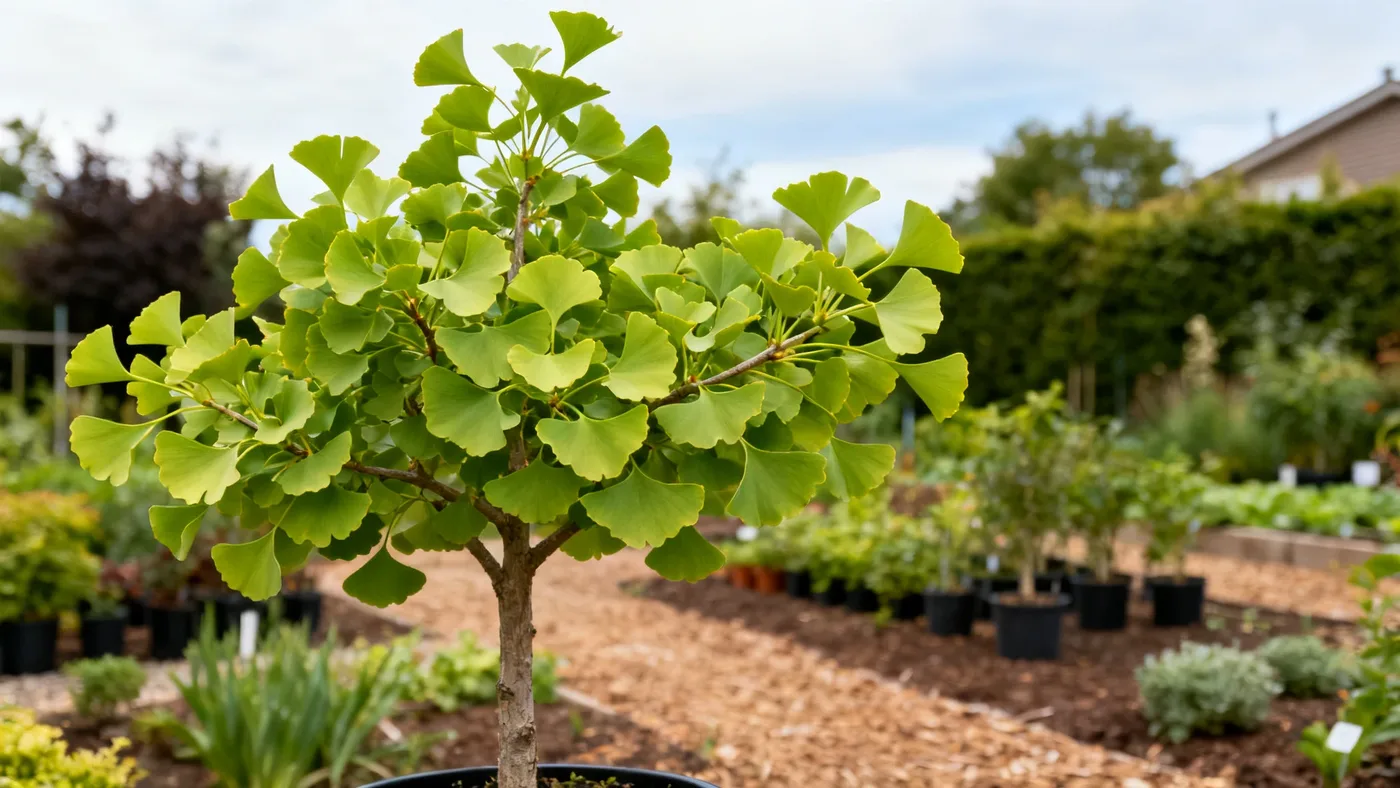
Watering a Ginkgo Maidenhair Tree: A Complete Seasonal Guide
Watering a Ginkgo Maidenhair Tree correctly is one of the easiest parts of growing this tough, adaptable tree. Unlike many ornamentals that demand precise moisture management, Ginkgo biloba is forgiving and actually thrives when you let the soil dry somewhat between waterings. Once established, Ginkgo trees tolerate periods of drought remarkably well, making them ideal for landscapes where consistent watering isn't always possible.
Whether you're planting a young nursery tree or tending to an established specimen, understanding your Ginkgo's water needs at different stages will help you avoid the two main pitfalls: overwatering and underwatering during establishment. This guide walks you through the seasonal watering rhythm, from spring planting through winter dormancy.
Understanding Ginkgo's Water Needs
Ginkgo Maidenhair Tree has medium water needs and prefers medium moisture soil that is well-drained. This is the sweet spot: moist enough to support growth, but not so wet that roots sit in standing water. The tree's adaptability to different soil types, sandy to clay, means it can tolerate imperfect drainage, but it still performs best when water drains reasonably well.
Drought tolerance is one of Ginkgo's standout traits. Once a tree is established, typically after the first two years in the landscape, it can weather dry spells that would stress younger trees. This deep tolerance for drought comes from Ginkgo's natural history in China, where it evolved in varied climates and soil conditions. In USDA zones 3 through 8, where Ginkgo grows, this resilience translates to lower maintenance for home gardeners.
However, establishment is the critical phase. Young trees and newly planted specimens rely on consistent watering to develop deep, extensive root systems. The first growing season is when Ginkgo is most water-sensitive, so your attention during this period pays dividends in years to come.
Materials You'll Need
- Garden hose with adjustable nozzle (or soaker hose for slower, deeper watering)
- Watering can for smaller container specimens
- Moisture meter or wooden dowel to check soil depth
- 2 to 4 inches of organic mulch (wood chips or compost)
- Shovel for amending heavy clay soil
- Bucket for hand-watering young trees
Step-by-Step Watering Guide by Season
Spring (Planting and Early Growth)
Step 1: Prepare the soil at planting time. When you plant your Ginkgo in spring or fall, dig a hole that is at least as deep as the root ball and two to three times as wide. Ginkgo adapts to sandy, clay, and compacted soils, but it prefers a loamy, well-drained texture. If your soil is heavy clay, work in 2 to 3 inches of compost or aged bark to improve drainage. Fill the hole, water thoroughly to settle the soil, and backfill any air pockets.
Step 2: Apply mulch immediately after planting. Spread 2 to 3 inches of wood chips or compost around the base, keeping the material a few inches away from the trunk. Mulch helps retain moisture and keeps soil temperature stable during the critical first growing season.
Step 3: Water deeply at planting and for the first two weeks. Water the newly planted tree thoroughly so the water penetrates at least 12 inches into the soil. Young Ginkgo trees may grow 12 to 24 inches per year in ideal conditions while young, and this growth depends on consistent water during establishment. For the first two weeks, water every two to three days if there is no significant rain. This ensures the root ball stays moist while new roots branch out into surrounding soil.
Step 4: Switch to a weekly schedule by late spring. Once the tree shows new growth (typically within two to three weeks), transition to watering deeply once a week. Check the soil 6 inches down: if it feels dry to the touch, water. If it still feels moist, wait another day or two. This weekly rhythm typically continues through May and June as the Ginkgo leafs out and enters active growth.
Summer (Peak Growth and Potential Drought)
Step 5: Water deeply and less frequently. By mid-summer, your Ginkgo's root system is expanding, so shift to deep watering once every 7 to 10 days rather than frequent shallow sprinkling. Deep watering encourages roots to grow downward, building drought tolerance. Water for 30 to 60 seconds with a soaker hose or low-flow nozzle, allowing water to penetrate 12 to 18 inches into the soil.
Step 6: Monitor soil moisture, not just calendar days. Summer rainfall varies. If your area receives 1 to 1.5 inches of rain per week, your supplemental watering may be minimal or unnecessary. If it is dry and you see no rain for two weeks, check soil moisture at 8 inches depth. If it is dry, water. Established trees tolerate brief dry periods well, but young Ginkgos still benefit from timely watering.
Step 7: Water early morning or late evening. Summer midday watering wastes water to evaporation and can stress the tree. Early morning (before 9 a.m.) or late evening (after 5 p.m.) is ideal. Avoid wetting foliage during hot hours, as this can encourage fungal issues in high humidity.
Fall (Slowing Growth and Dormancy Prep)
Step 8: Reduce watering frequency as temperatures cool. By September and October, Ginkgo's growth slows naturally. Rainfall typically increases in fall across most zones, so you may not need to water supplementally at all. Check soil moisture weekly. If the top 6 inches are dry and there has been no rain for two weeks, water once. This supports root development before winter dormancy.
Step 9: Stop watering after hard frost. Once nighttime temperatures drop below freezing consistently and the Ginkgo's leaves drop, stop supplemental watering. The tree is dormant and requires no watering through winter, even in dry climates. Snow and winter precipitation provide what little moisture dormant roots need.
Winter (Dormancy)
Step 10: Do not water during dormancy. From November through February in zones 3-8, your Ginkgo needs no supplemental water. Watering during dormancy can promote root rot and waste resources. The tree's hardiness carries it through freezing temperatures without added moisture.
Watering Young Ginkgo Trees vs. Established Trees
Young trees, typically those in the first two years after planting, need more attention than mature specimens. A young Ginkgo's root system is shallow and confined to the amended planting hole, so soil dries faster and recovery from drought stress is slow. Water deeply once or twice weekly during the growing season, checking soil at 6 inches frequently. The goal is to keep soil moist but not waterlogged.
Established Ginkgo trees, those three years or older with deep, extensive roots, can handle longer intervals between watering. An established tree may need supplemental water only during prolonged drought (more than three weeks with no rain). In many climates, established Ginkgos need little to no human watering once summer rainfall is adequate. This drought tolerance is one reason Ginkgo is prized for urban landscapes, parking lots, and situations where irrigation is unreliable or absent.
Signs Your Ginkgo Is Overwatered
Overwatering is more common than underwatering among home gardeners, especially early in the season. Watch for these signs that your Ginkgo is getting too much water:
- Soft or mushy stems, particularly near the soil line
- Yellow leaves that drop prematurely (long before fall color appears)
- Soil that stays soggy or has a sour smell, indicating root stress
- Fungal growth on bark or a ring of wilted foliage beneath a canopy otherwise looking healthy
- Stunted growth despite adequate sun and nutrients
If you notice these symptoms, reduce watering frequency immediately. Allow soil to dry out between waterings. If the soil is heavy clay that stays wet for days after watering, amend it with compost or sand to improve drainage, or redirect your watering schedule to every two weeks instead of weekly.
Common Watering Mistakes and How to Avoid Them
Mistake 1: Shallow, frequent watering. Sprinkling lightly every day or two creates shallow, weak root systems and makes the tree dependent on constant water. Instead, water deeply once or twice weekly, allowing water to penetrate 12 to 18 inches. This builds deep roots and long-term resilience.
Mistake 2: Ignoring soil type. A sandy soil in full sun dries much faster than clay soil in shade. Adjust your watering frequency based on how quickly your specific soil drains. Use a moisture meter or the dowel-in-soil test to verify dryness before watering again.
Mistake 3: Watering on a fixed calendar. Weather and season change. Spring rains may make supplemental watering unnecessary; a dry July may require extra water. Always observe soil moisture first, then water if needed, rather than watering by the calendar.
Mistake 4: Overwatering in fall. Many gardeners continue summer watering into September and October. As temperatures drop and growth slows, reduce watering. Overwatering in fall can encourage root rot and weak, frost-sensitive new growth.
Mistake 5: Forgetting to mulch. Mulch is your greatest tool for stable soil moisture. A 2 to 3 inch layer of wood chips cuts evaporation by half and eliminates the need for frequent watering. Refresh mulch yearly, and always keep it a few inches away from the trunk to prevent rot.
Expected Results
When you water correctly, your Ginkgo should show steady, vigorous growth during the growing season. Young trees may grow 12 to 24 inches per year. The foliage stays medium to bright green throughout summer and turns that signature brilliant golden yellow in fall. Leaves typically drop within a very short window, often just a few days in late October or November.
Over three to five years, a well-watered young Ginkgo develops a strong branching structure and a deep root system capable of tolerating drought. By year five, most Ginkgos need little supplemental watering except during exceptional dry spells. This transition from needy to resilient is the payoff for careful establishment watering.
Quick Reference: Watering Checklist
| Season | Young Trees (Year 1-2) | Established Trees (Year 3+) | Key Actions |
|---|---|---|---|
| Spring | Every 2-3 days first 2 weeks; then weekly | Weekly if dry; rain may replace watering | Apply mulch at planting; check soil at 6 inches |
| Summer | Weekly to every 10 days, deep watering | Every 10-14 days; skip if regular rain | Water early morning or late evening; penetrate 12-18 inches |
| Fall | Every 10-14 days; taper as temps cool | Every 2-3 weeks; stop after hard frost | Reduce frequency as growth slows |
| Winter | No watering | No watering | Tree is dormant; precipitation provides any needed moisture |
When to Check Your Work
Revisit your watering routine if you notice stunted growth, yellowing foliage in midsummer, or persistent leaf drop before fall. Adjust mulch depth each spring to keep it at 2 to 3 inches. If your soil is heavy clay and stays wet more than two days after watering, consider amending it or spacing watering further apart.
For more details on Ginkgo care beyond watering, read our complete Ginkgo Maidenhair Tree care guide, which covers pruning, fertilizing, and managing common issues.