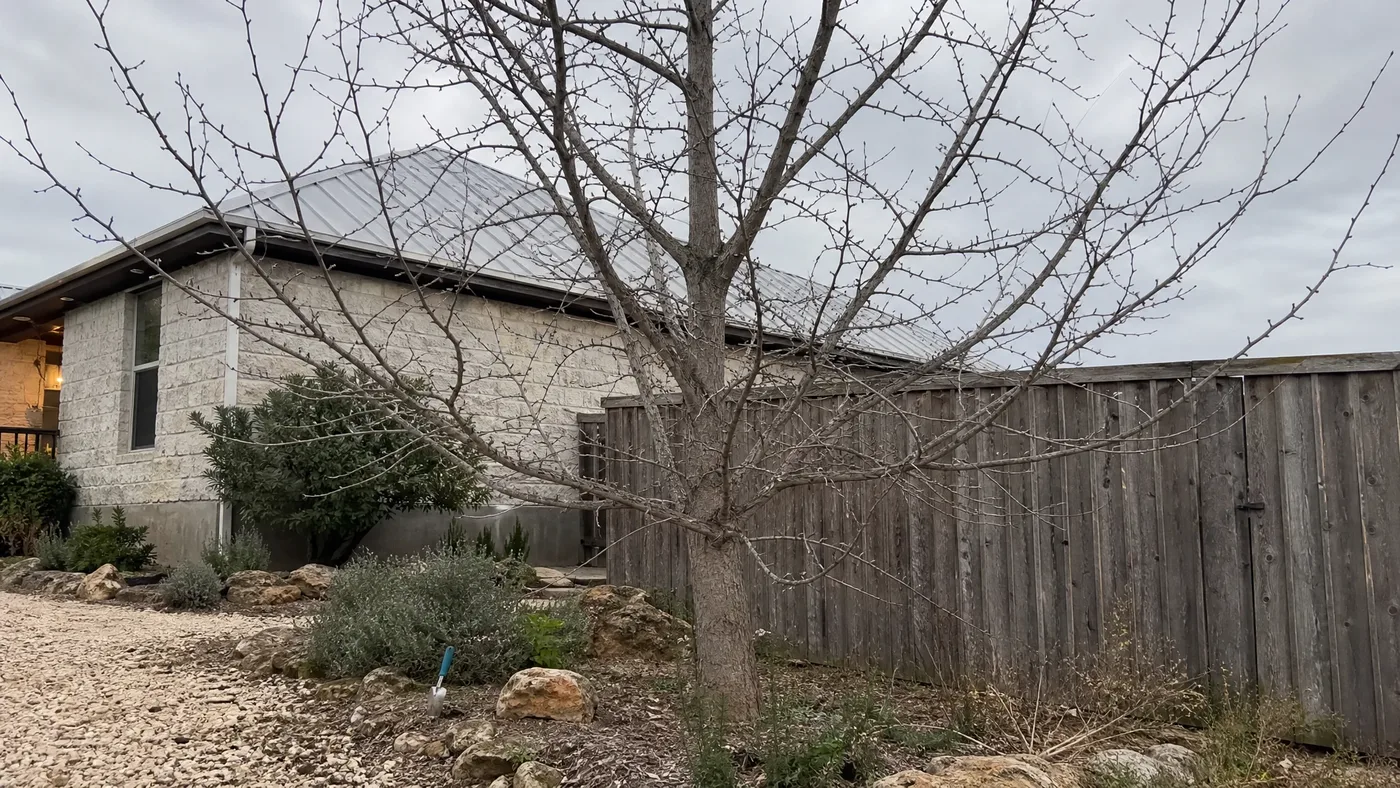
The Ginkgo Trees That Survived the Hiroshima Bombing
In August 1945, a single morning flattened a city. From above, Hiroshima would have looked like a gray plain of ash, broken roof tiles and bare ground, with almost nothing standing taller than a few feet. The trees were gone, or so it seemed.
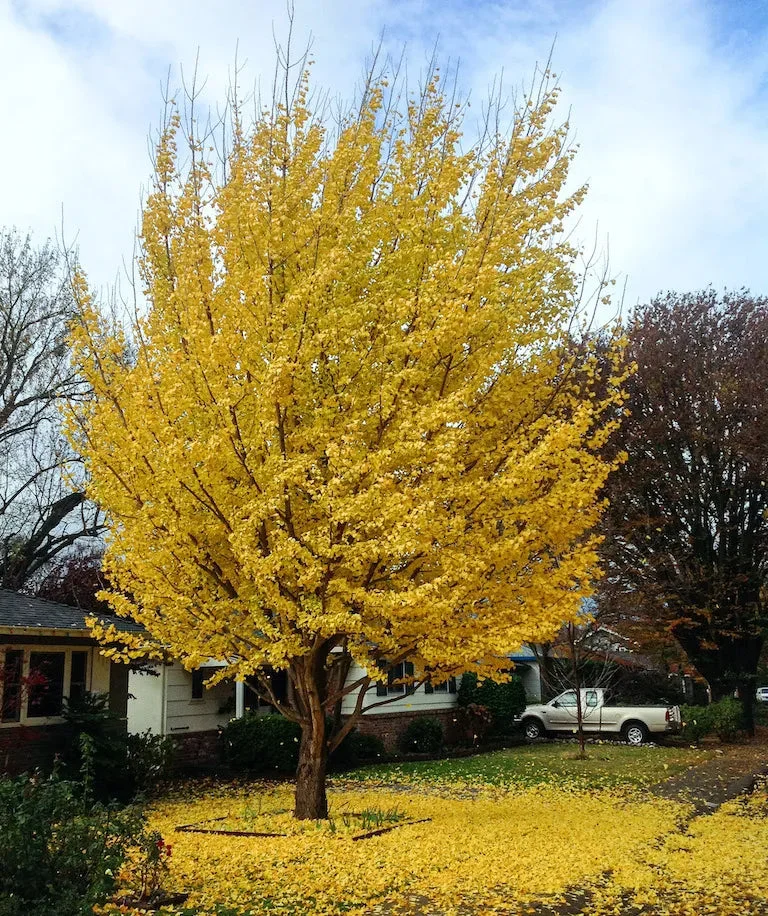
That is why this story gets told again and again, and why it matters to anyone who owns a ginkgo. A tree that looks finished may not be, and what you do in the first weeks after damage decides whether it gets a second chance. Read on for the city's landscape, the temple grounds where the ginkgos stood, how the trees came back, and what a burned stump can teach you about a battered ginkgo in your own yard.
A City Reduced to Ash and Gardens
Picture the landscape the way a landscaper would survey it. Before the bombing, Hiroshima had street trees, shrines, temple courtyards and private gardens, the same mix of shade and shelter you find in any older city. Afterward, the survey would have been short. Roofs, fences, hedges and canopies were gone, and what remained of the plantings was blackened and stripped.
Most people looking at that ground would have written off every plant on it. Scorched trunks and bare soil make that a reasonable call. Yet less than a year later, green showed up in the ruins. In accounts of the survivor trees, spring had pushed up a green shoot through the A-bomb desert. One shoot is a small thing to hang a story on, but it is the whole story.
What the Survivor Trees Are Called
In Japan these trees are called hibakujumoku, meaning bombed or survivor trees. The word covers several species, not only ginkgo. What they share is a simple fact: each one stood in the city that August and each one was alive afterward.
Why Landscapers Pay Attention
If you plan plantings for a living, or just for your own lot, the lesson starts at this wide frame. A landscape is judged in year five and year twenty, not the week after a disaster. The trees people write off in the first month are sometimes the ones still standing, and shading a street, decades later.
Temple Grounds Near the Center of the Blast
Narrow the view from the whole city to the places where old trees were most likely to be standing in 1945, and you land on temple and shrine grounds. These sites kept mature trees for generations, often right beside the main hall. That is the setting where the ginkgo story lives.
Temple and shrine precincts and city parks held survivors. We cannot give you a complete list of sites from our sources, so check Hiroshima's own register of survivor trees if you want the exact names and locations.
A temple ginkgo makes sense as a survivor for a practical reason. Old temple trees are usually well established, with deep, wide root systems that took decades to build. That stored energy sits underground, away from the heat that hit the trunk and leaves.
What Old Temple Plantings Have in Common
Temple trees are planted once and left alone for a very long time. That gives you a picture of what a ginkgo looks like when nobody fusses with it, and it is useful when you plan your own planting. Look at what these sites share:
- The trees were planted with room around them, so roots had space to spread without competing with pavement or neighbors.
- Nobody sheared, topped or heavily pruned them, so the framework and the reserves under it stayed whole.
- They stood in open, bright ground, not under a heavier canopy, which suits a tree that wants full sun.
The Ginkgo Maidenhair Tree Among the Survivors
Several species came through, but ginkgos stand out. A number of species survived, yet ginkgo survived in significant numbers, and it became the best-known of the survivor trees.
The trees were in full leaf in August 1945. The bomb left their leaves burned, their branches stripped away and their bark scorched. What survived was the inside of the tree, and that distinction explains everything that followed.
How They Were Found Alive
Nobody spotted a healthy tree in the rubble. People saw stumps and broken trunks, and then, as the seasons turned, small signs of life. A burned ginkgo does not announce that it survived. You learn it by waiting and watching the bark, the base and the ground around the trunk.
From Survivors to Seed
The story did not stay in Hiroshima. Ginkgo is one of eight hibaku species whose seeds and seedlings have been distributed to 88 cities outside Japan. A tree that was almost lost became a tree that other people grow on purpose.
If you want the species' deep-time story, our history guide on the living fossil covers the native range and the ancient origins. This guide is about one August and what came after.
Why a Ginkgo Maidenhair Tree Can Resprout From Roots
Think of a ginkgo as two plants stacked together. Above ground is the part you see: trunk, branches and leaves. Below ground is a storehouse of roots, plus buds that sleep in the lower trunk and near the soil line. When the top gets destroyed, the storehouse is still intact, and that is where recovery starts.
We are describing general woody-plant behavior here, not a measured finding from the Hiroshima records. The source tells us the insides of the trees survived, and a gardener's reading of that is simple. Living tissue below the damage can wake dormant buds and push out new growth once the old canopy is gone.
Traits That Fit the Story
A ginkgo is slow-growing, especially in its early years. A slow tree spends its energy on structure and reserves rather than racing upward. The species is also practically pest-free and resistant to storm damage, and a tree with few enemies loses little to disease while it recovers.
Pulling those threads together, here is what worked in the survivors' favor:
- Mature roots held stored energy that the blast never reached.
- Dormant buds sat low, below the worst of the scorching.
- The trees were not weakened by the pests and diseases that often finish off a damaged tree.
- Spring gave them a window to push growth before anything else claimed the site.
What This Means for Your Own Tree
Most ginkgos are hardy across a very wide range, and the species is hardy in zones 3a through 9b. That toughness shows up in damage recovery as well as in winter cold. A frost crack or a broken limb is rarely the end for a healthy, established tree, and size at planting matters, because a bigger root system means a bigger reserve to draw on.
One Bud on a Ginkgo Maidenhair Tree Stump
Now zoom all the way in. A charred trunk, black and rough, with no leaf anywhere on it. Somewhere on that surface, or at its base, a bud swells. Then it splits, and a small green point shows against the soot.
We have no photograph of that first shoot to describe, so what follows is a gardener's picture of it. It would have been tiny and easy to miss. It was not a branch, it was not a canopy, and it did not look like a tree yet. Any gardener who has watched a pruned ginkgo leaf out knows the way the first fan-shaped leaves unfold, folded and pale, even in miniature.
Stop on that image, because the tree's whole future rested on it. Every leaf after that came from the same starting point, a bud that had waited out the burn and the winter. One shoot made food from sunlight, fed the roots, and let the roots feed the next shoot.
In our rows, we see the same quiet pattern after a hard winter. A tree that looks dead in March often has a green bud under the bark by May.
What a Burned Stump Still Teaches
Your ginkgo is unlikely to face anything like 1945. But storms, mower damage, frost cracks, a cut-back done too hard, or a tree that looks rough after a move can all leave you staring at a stump. What we tell customers is to slow down before you reach for the saw.
Here is how to handle a damaged or cut-back ginkgo:
- Wait a full growing season. The survivors took until spring to show green. Judge your tree by what it does after a full cycle, not after a few bare weeks.
- Check the living tissue. Scratch a small patch of bark low on the trunk. Green or cream underneath means the tree is alive.
- Protect the base. Keep mowers and trimmers away from the root flare and the soil line, where new buds start.
- Give it sun and steady moisture. The species prefers moist, well-drained soil. Our watering guide lays out the seasonal rhythm.
- Prune late, not early. Once new shoots appear, choose the strongest as the new leader and remove the rest gradually. See our pruning guide for timing and technique.
The table below sorts what you may see and what we would do about it.
| What you see | What it likely means | What to do |
|---|---|---|
| Bare branches after a storm | Canopy lost, roots may be fine | Wait, water, check the bark |
| Green under scratched bark | Tissue is alive | Leave it and watch for buds |
| Small shoots at the base | Dormant buds waking | Keep them, thin them later |
| Dry, brittle bark all the way down | Tree is likely dead | Replace it |
Plan for a Slow Comeback
Expect the recovery to look awkward for a while. In the first year a cut-back ginkgo may be little more than a thin leader and a few leaves, and it will not read as a shade tree for several seasons. That is normal for a slow grower. Keep the area around it clear of turf and weeds, and resist the urge to feed it hard to speed things up. Our care guide covers the routine that suits a recovering tree.
If problems keep showing up after a season of good care, our guide to common ginkgo problems will help you tell damage from decline.
What the Ginkgo Maidenhair Tree Left Standing
Hiroshima's ginkgos teach patience and trust in what you cannot see. A tree is more than its canopy, and a ginkgo's roots and buds can hold more future than a scorched trunk lets on. Treat a damaged tree with a long view, wait a season, and protect the base before you give up on it.
Somewhere in a ruined city, a black stump stood in the ash, and on its side one small green shoot opened toward the sun.
Ginkgo Maidenhair Tree
Nursery-grown Ginkgo Maidenhair Tree in sizes from 1 Gallon Container 1-2' Feet Tall, shipped to your door.
From $80.55
Shop Now →Ginkgo has a way of coming back from the worst, and on our farms we give it full sun and moist, well-drained soil so the roots can do that work. Every top-quality tree we send out is raised and packed by the people who planted it, with the same long view this guide takes of a tree that refuses to quit. If the Hiroshima survivors have stayed with you, choose a ginkgo and give one a place to stand.